ALF Leadership Award for Public Service
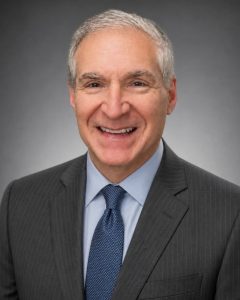 Dr. Frank Anania currently serves as the Director of the Division of Hepatology and Nutrition within the Office of New Drugs at the FDA’s Center for Drug Evaluation and Research (CDER). He joined the FDA in 2018 as a medical officer and reviewer. In March 2020 he became the Deputy Director of the newly independent liver disease division at FDA. In March 2023, he assumed the role as Director of the Division of Hepatology and Nutrition at FDA. In this role, he oversees the safety, efficacy, and regulatory review of clinical trials and novel drug pipelines. Over the past 8 years his work has been crucial for nonviral liver diseases, including metabolic dysfunction-associated steatohepatitis (MASH/NASH) and primary sclerosing cholangitis (PSC). During his tenure as Director, he oversaw the approval of the first treatments for MASH, as well as approval for ileal bile acid transport inhibitors to treat several pruritus for several pediatric liver diseases. Under his direction the Agency has moved to use of non-invasive testing in MASH clinical research trials and away from liver biopsy.
Prior to joining FDA, Anania spent several decades as a distinguished physician-scientist and was the R. Bruce Logue Chair, Professor, and Director of the Division of Digestive Diseases at Emory University School of Medicine. He currently is an Adjunct Professor of Medicine at the Georgetown University School of Medicine. A nationally recognized expert in stellate cell biology, his pioneering laboratory research uncovered critical molecular pathways driving hepatic fibrosis and fatty liver progression including the discovery that adipocytokines play a pivotal role in modulating hepatic fibrosis. His laboratory discovered the production of leptin by activated hepatic stellate cells, which advanced global understanding of increased liver scarring, particularly in MASH. His laboratory was one of the first to describe the therapeutic benefits of glucagon-like peptide-1 (GLP-1) hormones for MASH. Anania served on numerous national committees including as Chair of the Liver-Biliary Section of the American Gastroenterological Association, and, as Chair of the Education Committee of the American Association for the Study of Liver Diseases. He regularly served as an NIH reviewer for the Hepatobiliary Pathophysiology Study Section.
Dr. Anania earned his medical degree from the University of Pittsburgh School of Medicine. He is an elected member of The American Society for Clinical Investigation (ASCI) and a prolific contributor to the medical community, with over 100 peer-reviewed publications shaping modern hepatology.
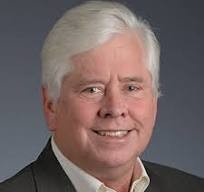 Dr. Jay Hoofnagle served as the Director of the Liver Diseases Research Branch of the National Institute of Diabetes and Digestive and Kidney Disease (NIDDK) of the NIH from the time of its creation in 2004 until 2026 when he retired after a career spanning more than 50 years in liver disease research. As director of the Liver Diseases Research Branch, he wrote the first NIH Action Plan for Liver Disease Research which has served as a guidance and structure for NIH funding which more than tripled in amount during his directorship.
Dr. Hoofnagle is a graduate of Yale University Medical School (1966-70) and did post-graduate training in internal medicine at the University of Virginia Hospital (1970-72). Dr. Hoofnagle began in liver disease research in 1972 when he joined the Hepatitis Branch of the FDA as a medical staff fellow. There he conducted basic research on hepatitis B describing the course of acute and chronic hepatitis B virus infection, developing the first test for anti-HBc, and supervising the FDA licensing of tests for HBsAg and anti-HBs used in diagnosis and in blood donor screening. In 1975, he left the FDA returning to finish internal medicine and gastroenterology-hepatology training at the Washington DC Veterans Administration Hospital. There with Dr. Leonard Seeff he continued liver research with publications on hepatitis B, C, and D. With Hyman J. Zimmerman he began a life-long interest in drug-induced liver disease. In 1976, while still a hepatology fellow, he joined the AASLD and delivered a plenary session talk on what was then called “non-A, non-B” hepatitis, the first abstract on hepatitis C presented at AASLD meetings. In 1978 he became a senior investigator in the Liver Diseases Section of NIDDK and in the next 10 years did clinical and laboratory studies of the virology, natural history, and treatment of hepatitis B, C, and D. In 1988, he was appointed Director of the NIDDK’s Division of Digestive Disease and Nutrition, where he oversaw NIH funding for gastrointestinal, liver, and pancreatic disease and for nutrition. During this time, he organized the NIH Consensus Conferences on hepatitis B and C, laparoscopic cholecystectomy, helicobacter pylori treatment for ulcer disease, and management of obesity. He also initiated multicenter clinical research studies on a broad spectrum of liver diseases in both children and adults, including biliary atresia, acute liver failure, nonalcoholic steatohepatitis, liver transplantation, cirrhosis, portal hypertension, drug-induced liver injury, primary biliary cirrhosis, and sclerosing cholangitis. In 2012, Dr. Hoofnagle initiated the NIH internet resource “LiverTox”, with description of more than 1500 medications and herbal supplements and their likelihood of causing liver injury. The website is visited by more than a million people from more than 180 countries each month.
Dr. Hoofnagle has published more than 500 scientific papers and is among the 1000- most cited U.S. biomedical researchers. He is a former president of the AASLD (1991-92) and is the recipient of several honors including the Distinguished Achievement Award from the AASLD (2001) as well as scientific achievement or honorary awards from the American Liver Foundation (1989), Hepatitis Foundation International (2000), Canadian Liver Foundation (2001), Hepatitis B Foundation (2003), Falk Foundation (2003), and the University of Paris (2012).
In his retirement, Dr. Hoofnagle continues to publish papers on liver disease and serves as the senior editor of LiverTox.